exploring the advantages and applications of lithium battery electric two-seat regulating valves
Release time:2026-03-15 04:13:40
In the ever-evolving landscape of industrial automation and fluid control systems, the Lithium Battery Electric Two-Seat Regulating Valve stands out as a pioneering solution that combines efficiency, precision, and sustainability. This article delves into the design, functionality, advantages, and various applications of these innovative regulating valves, highlighting their role in modern industries.
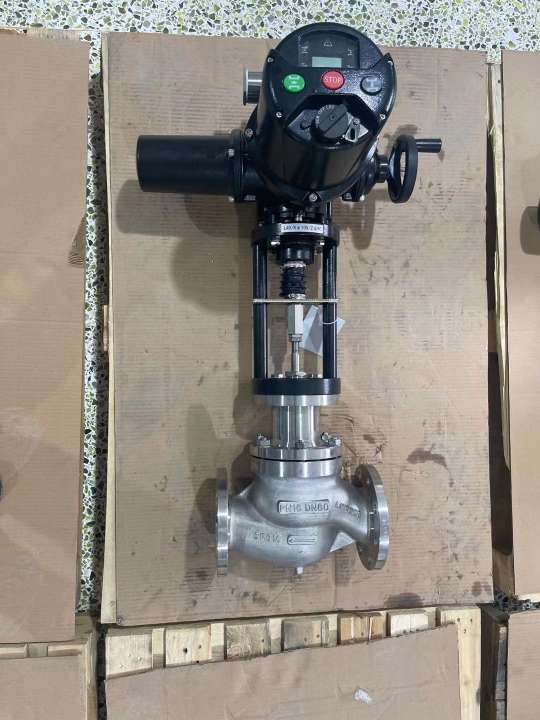
Understanding the Components
At its core, a Lithium Battery Electric Two-Seat Regulating Valve consists of three main components: the valve body, the electric actuator, and the lithium battery power unit. The valve's dual-seat design ensures a stable sealing capability, allowing for accurate control of fluid flow. The electric actuator operates the valve's opening and closing mechanism with exceptional precision, while the lithium battery provides a reliable and sustainable power source.
Working Principle
The operation of the electric two-seat regulating valve is quite straightforward. When the actuator receives a signal from a control system—such as a Programmable Logic Controller (PLC) or a Supervisory Control and Data Acquisition (SCADA) system—it adjusts the position of the valve based on the desired flow rate or pressure. The two-seat design allows for a wide range of flow control, making it suitable for various fluid types, including gases and liquids.


 Chat Oline