

Hydrogen energy is emerging as a key player in the transition to a sustainable future, offering a clean alternative to fossil fuels. As the hydrogen economy grows, so does the need for reliable components that can handle hydrogen safely and efficiently. One such crucial component is the Hydrogen Energy Pneumatic Ball Valve. These valves play a vital role in managing the flow of hydrogen gas in various systems, from production to storage and distribution. In this article, we will explore the significance of these valves, their working mechanism, applications, and the materials used in their construction.
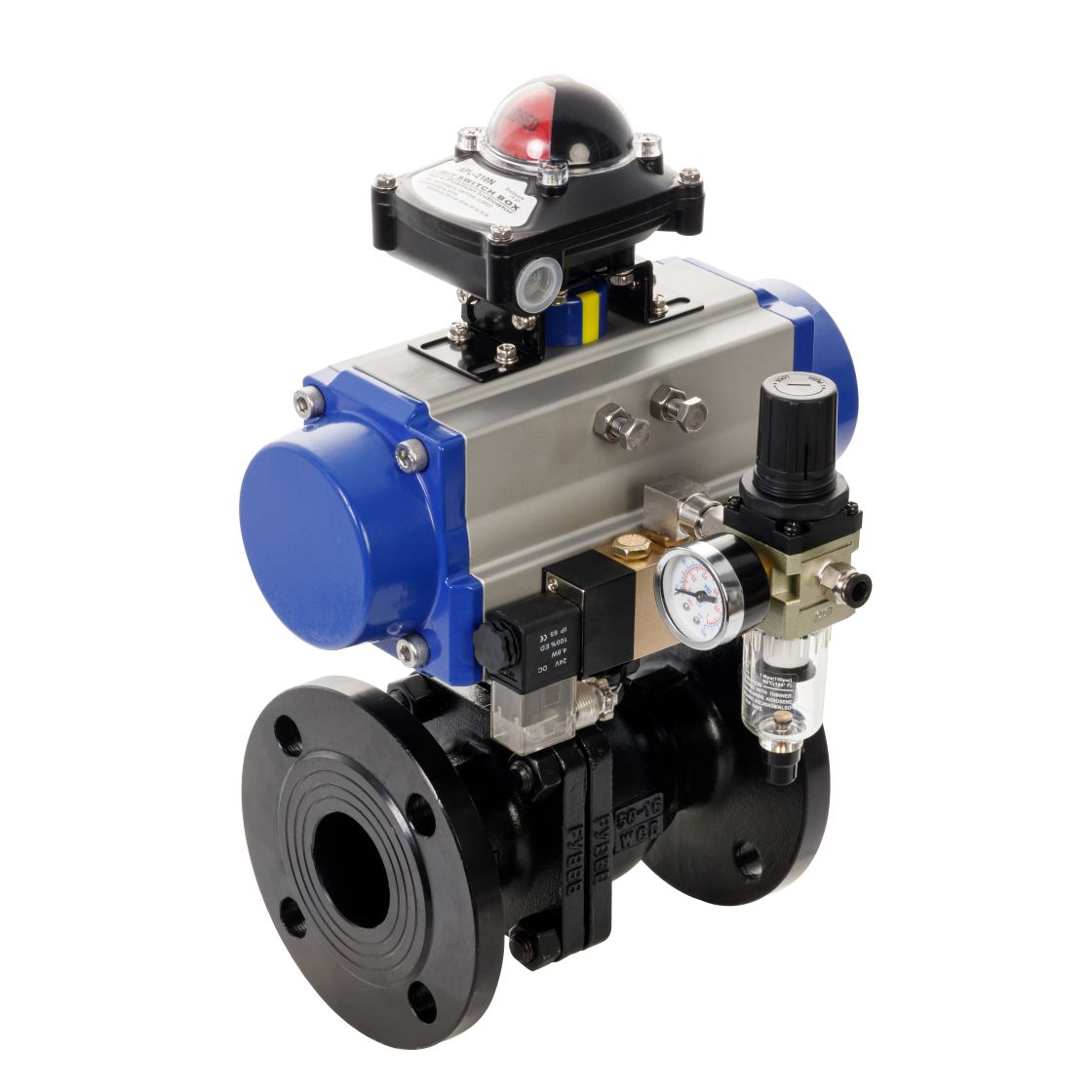
What is a Hydrogen Energy Pneumatic Ball Valve?
A Hydrogen Energy Pneumatic Ball Valve is a type of valve used in hydrogen systems to control the flow of hydrogen gas. It utilizes compressed air (pneumatic) to actuate the valve, which, in turn, operates a spherical ball with a hole through its center. When the valve is open, hydrogen gas flows through the ball’s hole, and when it is closed, the ball blocks the flow. This design allows for a quick shut-off, offering safety and control over the gas flow. Pneumatic ball valves are often preferred in hydrogen applications due to their simplicity, reliability, and minimal risk of sparking, making them suitable for hazardous environments.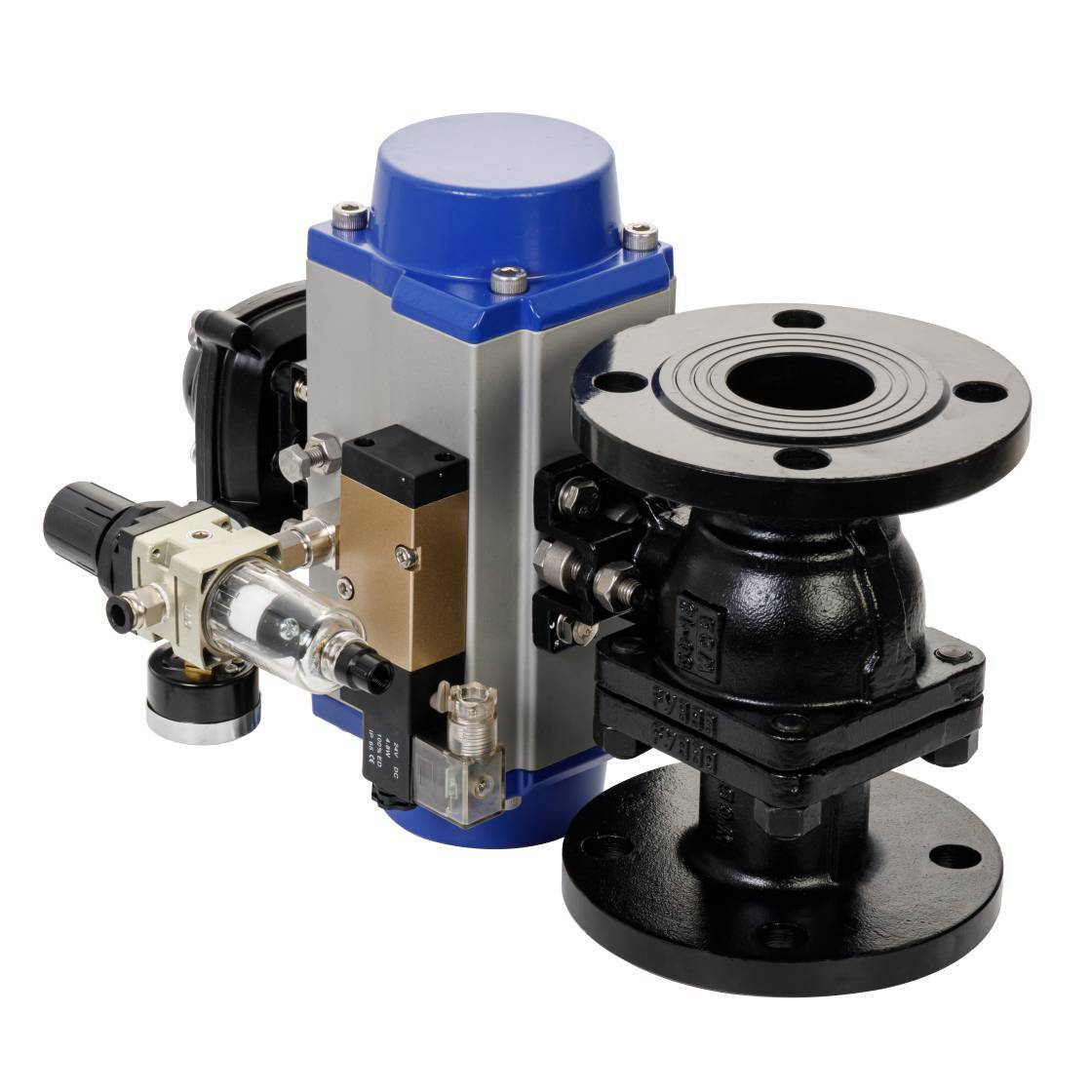
 Chat Oline