hydrogen energy electric pinch valve: revolutionizing hydrogen flow control for a sustainable future
Release time:2026-01-06 22:41:38
The growing emphasis on renewable energy sources has made hydrogen a key player in the quest for a sustainable energy future. As hydrogen energy systems continue to evolve, reliable and precise control of hydrogen flow becomes essential to ensure the safe, efficient, and controlled transportation and storage of this powerful energy carrier. One crucial component enabling such control is the Hydrogen Energy Electric Pinch Valve. This article explores the working principle, advantages, applications, and future prospects of this valve in the context of hydrogen energy systems.
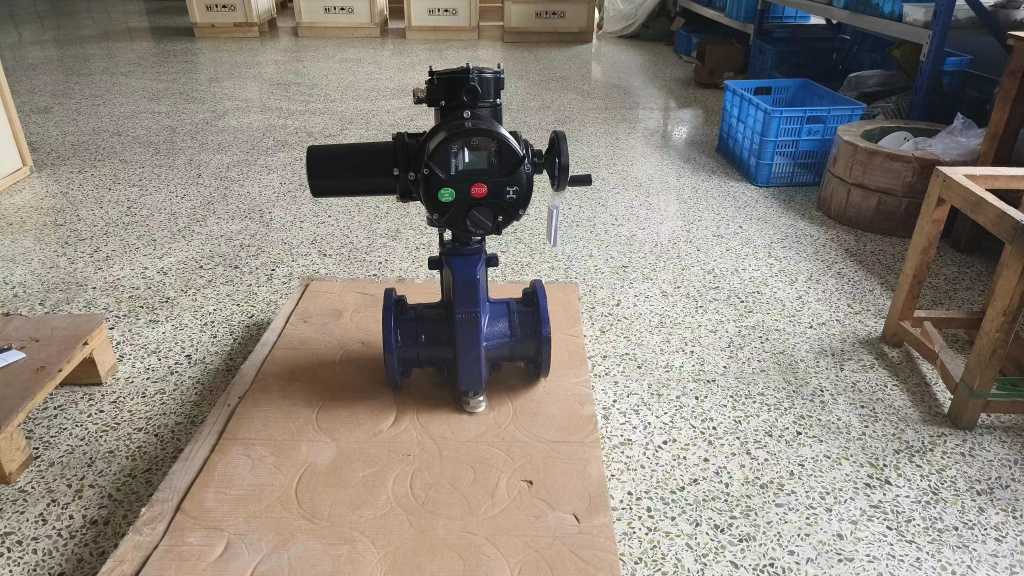
What is a Hydrogen Energy Electric Pinch Valve?
A Hydrogen Energy Electric Pinch Valve is an advanced flow control device used primarily in hydrogen gas applications. It operates by using an electric actuator to apply pressure to a flexible tube, typically made of rubber or a similar material, in a way that constricts the flow of hydrogen. This precise pinch mechanism controls the flow rate of gases or liquids with minimal risk of leakage, making it ideal for the transport and storage of hydrogen, which is highly volatile and potentially hazardous if not carefully handled.
Unlike traditional mechanical valves that rely on metal-to-metal sealing, the electric pinch valve uses the flexible tube to control flow, ensuring a tight seal and reducing the chances of leaks that could compromise the system's safety and efficiency. The electric actuator makes it possible to automate the valve's operation, allowing for remote control and integration with advanced monitoring systems, further enhancing operational efficiency.


 Chat Oline