

The WCB Electric Flange Ball Valve is a crucial component in modern industrial systems, offering efficient flow control and reliable operation in a wide range of applications. Combining the durability of WCB material with the precision and convenience of electric actuation, this valve is designed to meet the demanding needs of industries like chemical processing, power generation, and oil & gas. In this article, we will explore the key features, advantages, and common applications of the WCB Electric Flange Ball Valve.
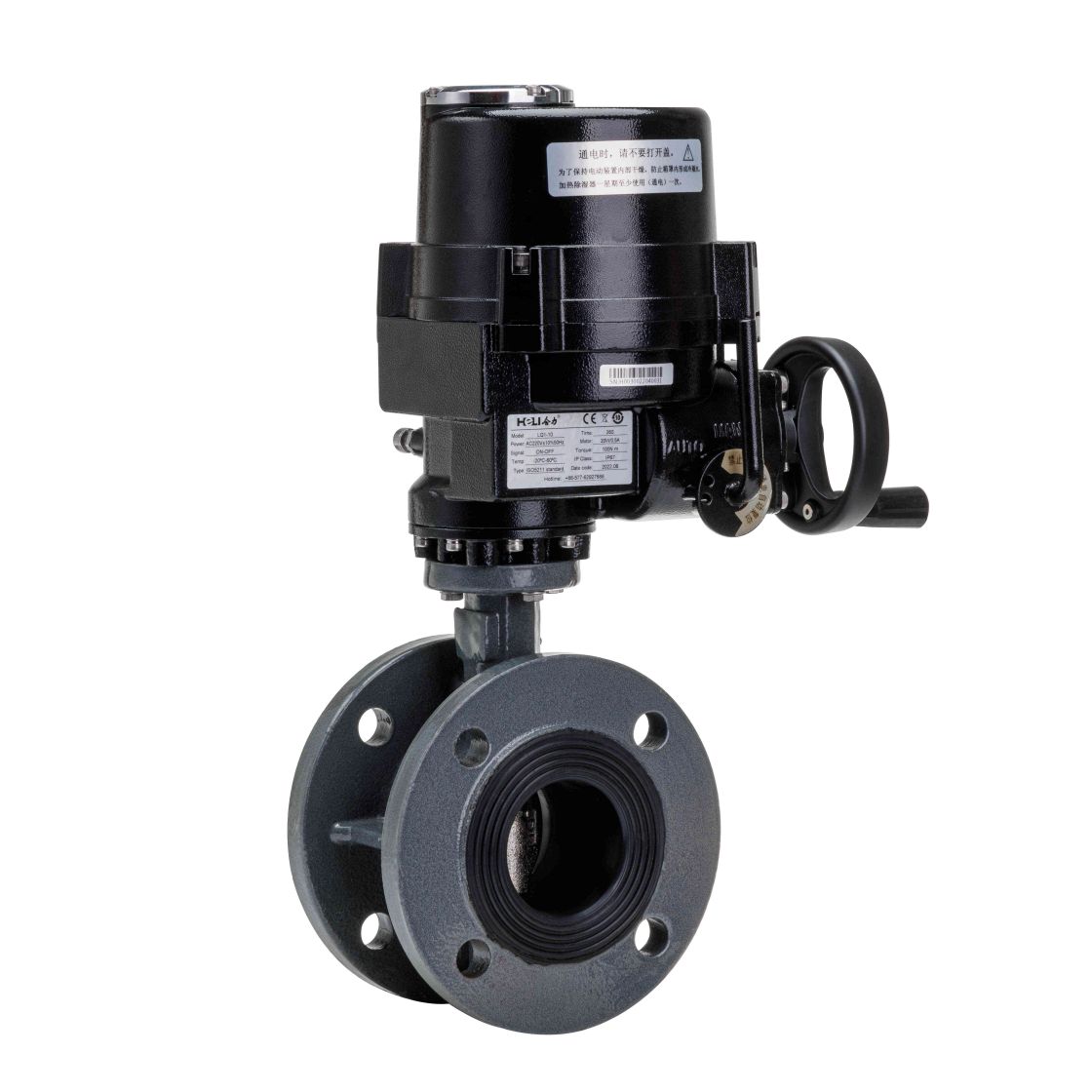
1. What is WCB Electric Flange Ball Valve?
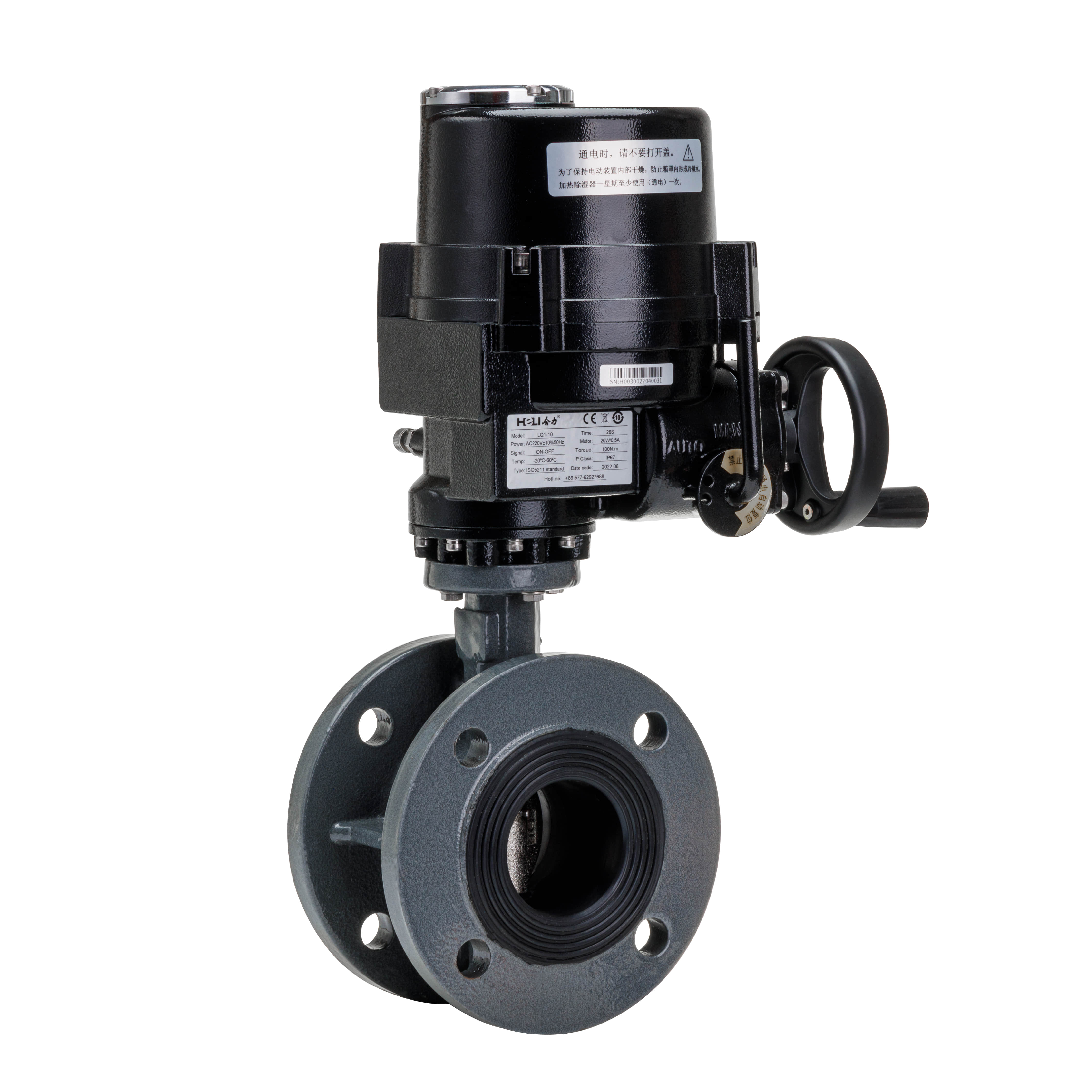
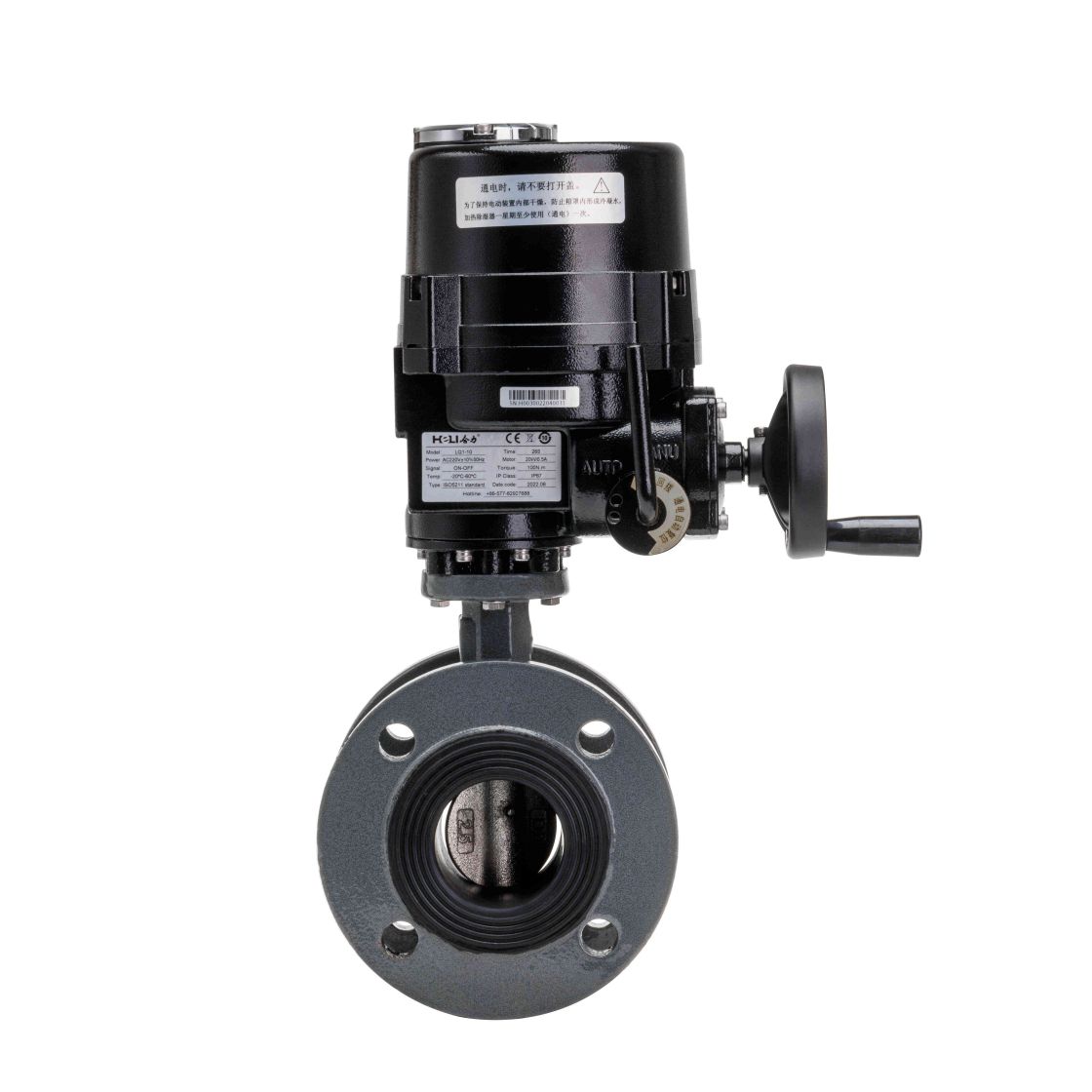
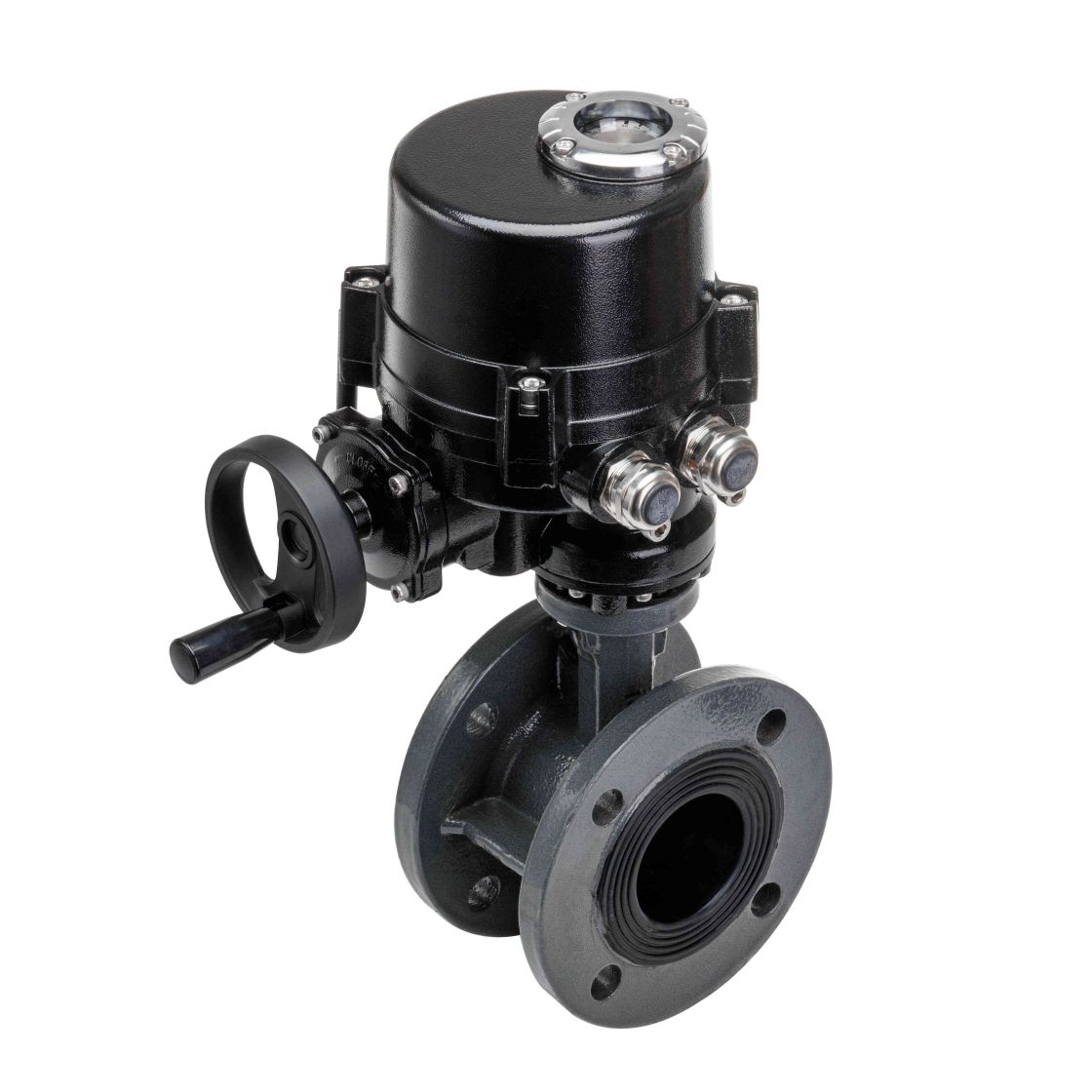
A WCB Electric Flange Ball Valve is a type of ball valve that features a flange connection and an electric actuator. The "WCB" refers to the material used for the valve body, which is a high-quality carbon steel that provides excellent strength, durability, and resistance to corrosion and high temperatures. The valve is designed to control the flow of fluids (liquids, gases, or steam) through a pipeline, offering precise on/off control and, in some cases, throttling capabilities.
 Chat Oline