

Electric anti-corrosion ball valve manufacturers play a vital role in modern industries where corrosive fluids, harsh environments and high-precision flow control are part of daily operations. As industries such as chemical processing, seawater desalination, oil and gas, pharmaceuticals and new energy sectors continue to expand, the demand for reliable, durable and intelligent flow control equipment has increased sharply. Among these, electric anti-corrosion ball valves stand out because of their long service life, automation capabilities and exceptional resistance to aggressive media.

An electric anti-corrosion ball valve integrates two important components: a corrosion-resistant ball valve and an electric actuator. The electric actuator provides automated control—opening, closing or adjusting the valve through electrical signals—while the specially treated ball valve body ensures stable performance in corrosive environments. This combination allows manufacturers to deliver a solution that not only resists chemical degradation but also meets the requirements of modern intelligent control systems.
Manufacturers of electric anti-corrosion ball valves typically focus on advanced materials and precision engineering. Materials such as PTFE, PFA, PVDF, stainless steel alloys, and high-performance composite linings are widely used to maintain resistance against strong acids, alkalis and salt-rich environments. These materials help prevent rust, oxidation, surface degradation and internal wear, significantly extending the valve's operational lifespan. Many manufacturers also apply advanced coating technologies—such as electrostatic spraying, anti-rust epoxy coatings, or polymer linings—to provide additional protection in demanding environments.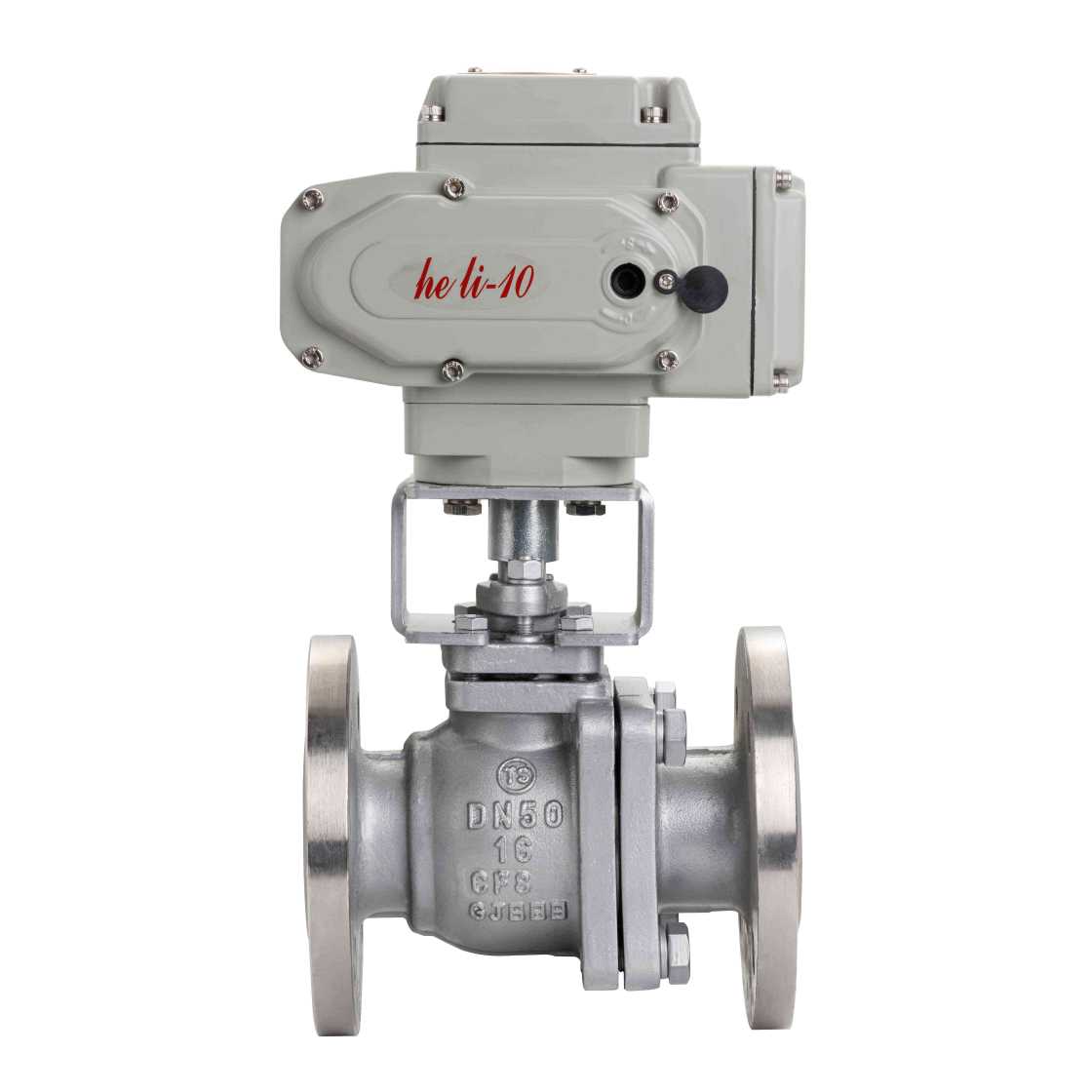
 Chat Oline