the importance of stainless steel lithium battery valves in ensuring safety and longevity
Release time:2025-12-07 17:16:27
Lithium-ion batteries have become ubiquitous in today’s world, powering everything from consumer electronics to electric vehicles (EVs) and large-scale energy storage systems. As the demand for higher capacity and more efficient battery systems grows, so does the need for robust safety mechanisms to protect both users and the devices themselves. One such critical component is the stainless steel lithium battery valve, a vital safety feature that helps maintain the stability and safety of the battery pack. This article will explore the role, functionality, and importance of stainless steel lithium battery valves in ensuring both the safety and longevity of lithium-ion batteries.
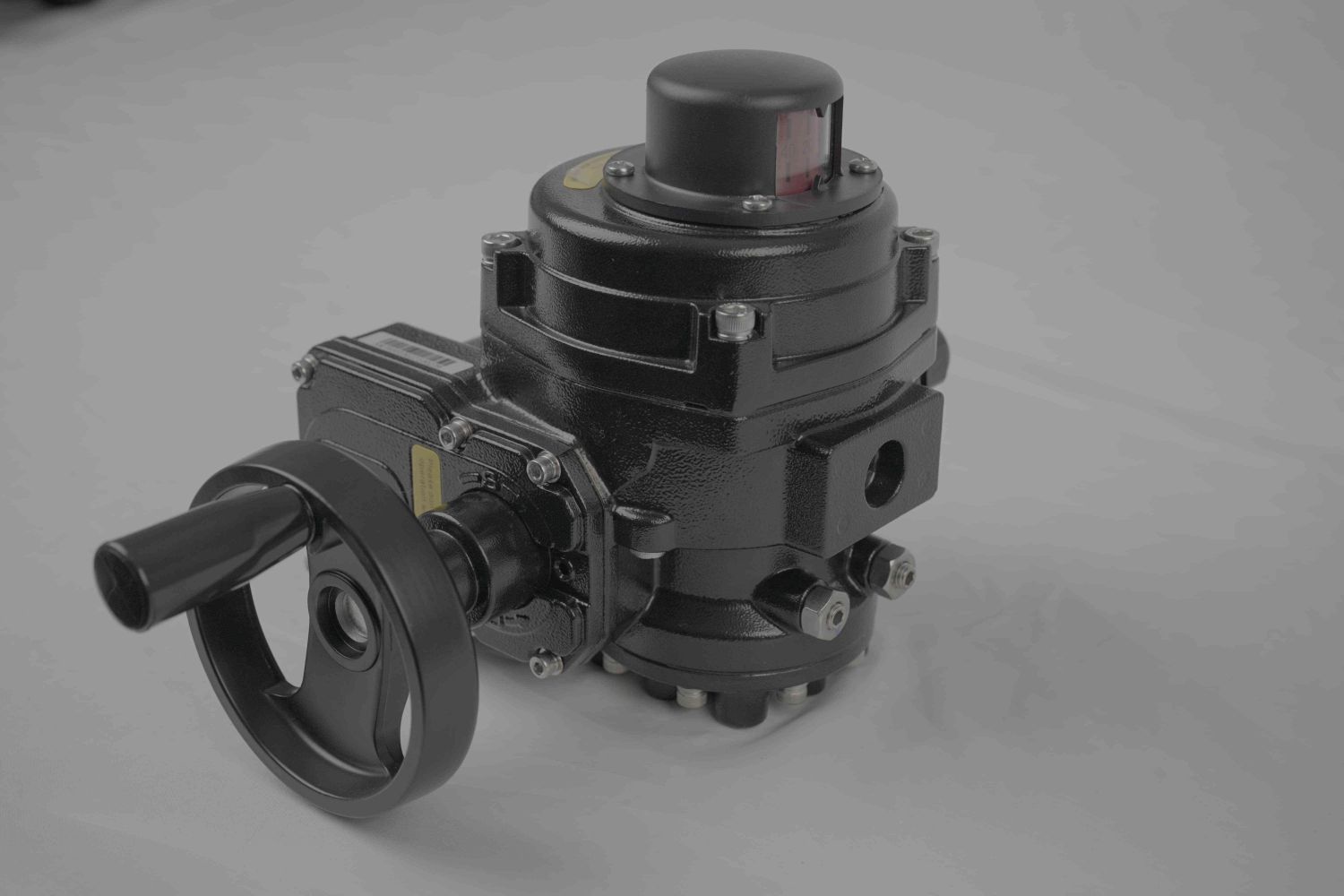
What is a Stainless Steel Lithium Battery Valve?
A stainless steel lithium battery valve is a small yet crucial component used in lithium-ion battery packs to manage internal pressure. When a battery is subjected to high temperatures, overcharging, or internal malfunction, the pressure inside the cell can rise rapidly. If this pressure is not managed properly, it can lead to dangerous situations like thermal runaway or explosions. The valve is designed to relieve this pressure by venting gases safely before the pressure inside the battery becomes uncontrollable.
Made from stainless steel, these valves are able to withstand extreme conditions, including high temperatures and chemical reactions, without compromising their structural integrity. Stainless steel is chosen for its corrosion resistance, durability, and high-temperature resilience, making it an ideal material for a component that is often exposed to harsh environments within the battery.


 Chat Oline