

In industrial applications, particularly in sectors dealing with corrosive chemicals, fluids, and gases, the need for reliable and durable control valves is paramount. The Electric Anti-Corrosion Ball Valve has emerged as a critical component in such settings, combining the advanced technology of electric actuation with the robust design of corrosion-resistant materials. This article explores the features, benefits, and applications of Electric Anti-Corrosion Ball Valves, which play a crucial role in enhancing system reliability and operational efficiency in corrosive environments.

What is an Electric Anti-Corrosion Ball Valve?
An Electric Anti-Corrosion Ball Valve is a type of ball valve that integrates an electric actuator to control the valve's opening and closing. These valves are designed specifically to handle corrosive fluids and gases, such as acids, alkalis, and salt solutions, which would typically degrade standard valve materials. The valve body and internal components are constructed using advanced anti-corrosive materials such as PTFE (Polytetrafluoroethylene), PFA (Perfluoroalkoxy), or specialized alloys, ensuring resistance to the harsh chemicals that might otherwise cause rapid wear and failure in conventional valves.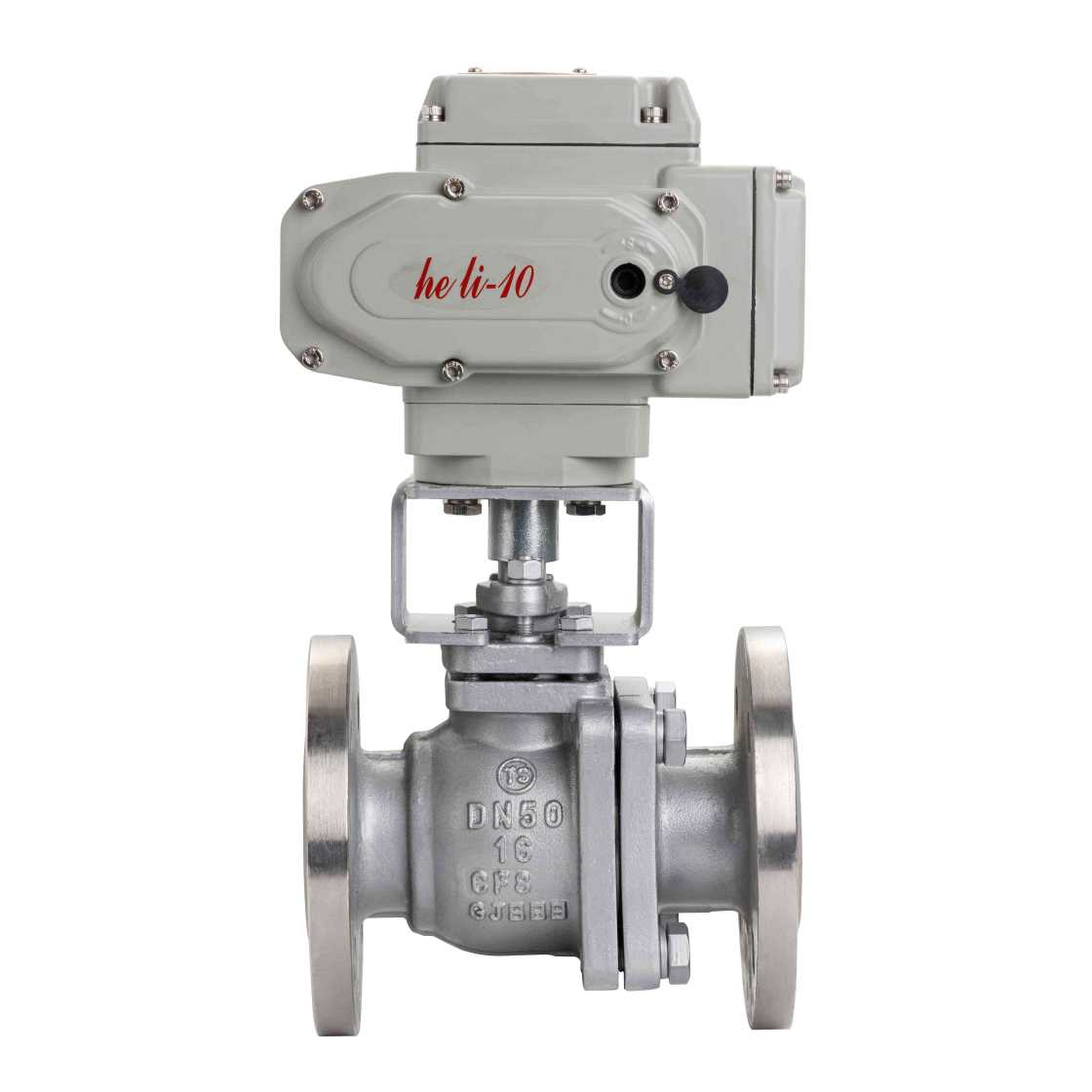
 Chat Oline