

The WCB Electric Ball Valve is a vital component in various industrial applications, offering efficient fluid control with high durability and reliability. Made from WCB material (a type of carbon steel), this valve combines the robustness of the steel with the precision and automation of an electric actuator, making it an ideal solution for industries such as oil and gas, chemical processing, power generation, and water treatment. This article explores the construction, benefits, applications, and maintenance of the WCB Electric Ball Valve, highlighting why it has become a go-to option for modern fluid control systems.

What is a WCB Electric Ball Valve?
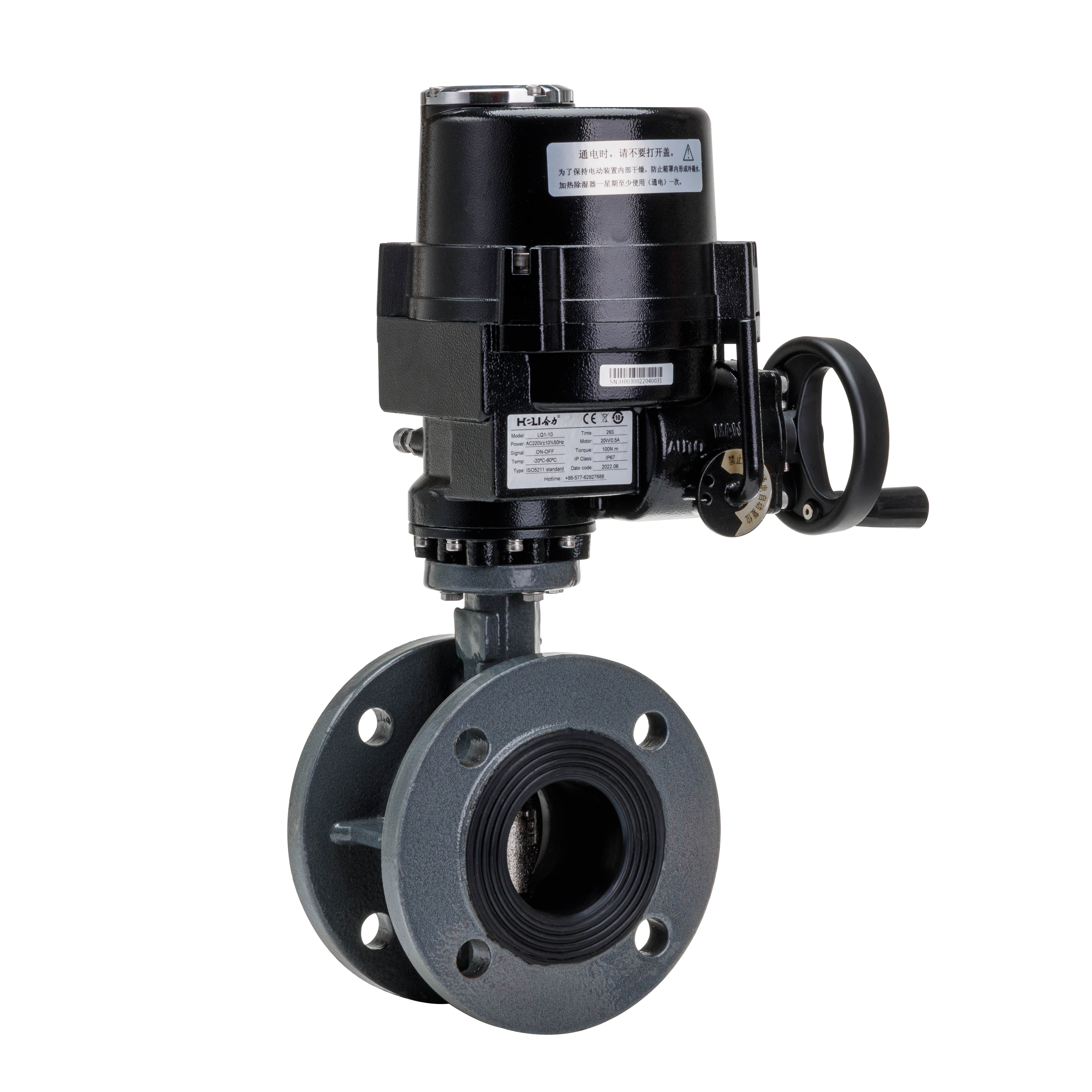
A WCB Electric Ball Valve consists of a spherical ball with a hole through the center. The ball rotates to control the flow of the fluid through the valve, either fully opening or closing the passage. The valve is equipped with an electric actuator, which automates the valve’s operation. The actuator uses electrical signals to rotate the valve ball, allowing for remote or automated control of fluid flow.

The material "WCB" refers to a type of carbon steel that is highly durable and resistant to wear, corrosion, and high temperatures. It is one of the most widely used materials in valve manufacturing because of its excellent mechanical properties, making it suitable for demanding environments where high pressure and temperature conditions are prevalent.

Key Benefits of WCB Electric Ball Valves

 Chat Oline