understanding the role and benefits of stainless steel lithium battery valve
Release time:2025-11-30 16:57:04
In recent years, the demand for lithium-ion batteries has surged due to their widespread use in various industries, including electronics, electric vehicles, and renewable energy storage systems. However, as these batteries continue to power a range of devices, the need for enhanced safety mechanisms has also increased. One such mechanism is the Stainless Steel Lithium Battery Valve, a critical component designed to regulate internal pressure and ensure safe operation. In this article, we will delve into the function, benefits, and importance of stainless steel valves in lithium-ion batteries.
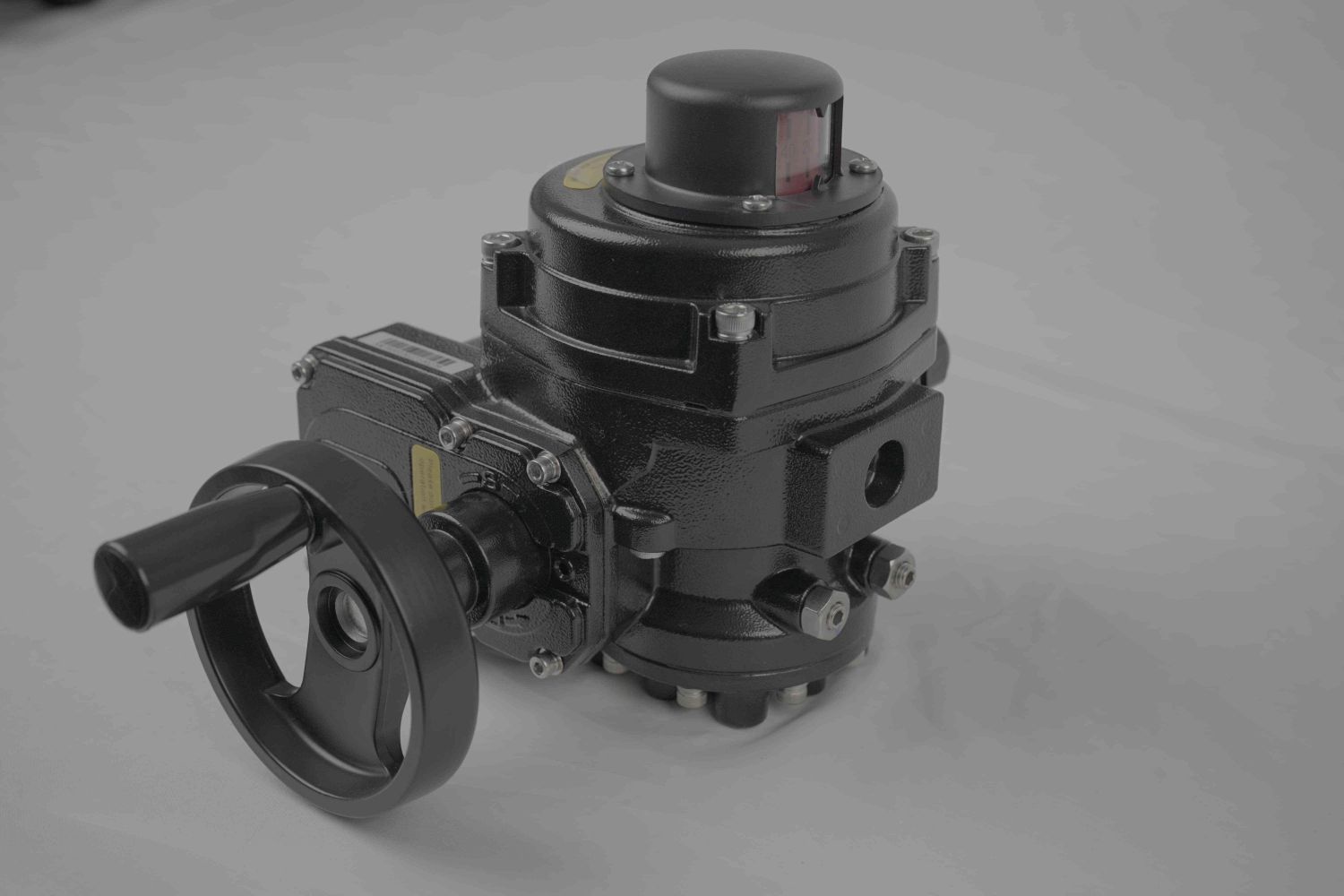
What is a Stainless Steel Lithium Battery Valve?
A stainless steel lithium battery valve is a pressure relief valve designed to regulate and manage the internal pressure of a lithium-ion battery. It is typically located on the battery casing or terminal and is made from stainless steel for its durability, resistance to corrosion, and ability to withstand high temperatures. These valves are part of a broader safety system within the battery, acting as a safety net to prevent catastrophic failure by releasing excess pressure when necessary.
The main purpose of the valve is to vent gases that accumulate during the battery's operation. When a lithium-ion battery is subjected to high temperatures, overcharging, or internal short-circuiting, it can generate gas. Without a means of releasing this pressure, the battery may swell, rupture, or even explode. The stainless steel valve provides an effective solution to this problem, ensuring that any excess pressure is safely released.


 Chat Oline