

Damper actuators play a crucial role in modern HVAC (Heating, Ventilation, and Air Conditioning) systems. These devices regulate airflow and temperature control, ensuring that environmental conditions within buildings are optimized for comfort, energy efficiency, and safety. Whether in commercial, industrial, or residential settings, damper actuators help manage air distribution by controlling the dampers in air ducts. In this article, we will explore the functionality of damper actuators, their working principles, and why they are indispensable in HVAC systems.

What is a Damper Actuator?
A damper actuator is a mechanical device used to control the opening and closing of dampers in an HVAC system. Dampers are typically positioned in air ducts, and their purpose is to regulate airflow and pressure within the system. The actuator is responsible for adjusting the damper position based on input signals from the HVAC control system, which is often a thermostat or a centralized building management system (BMS). By doing so, the actuator ensures the proper amount of airflow is directed to different parts of the building, thus maintaining comfort levels while also optimizing energy usage.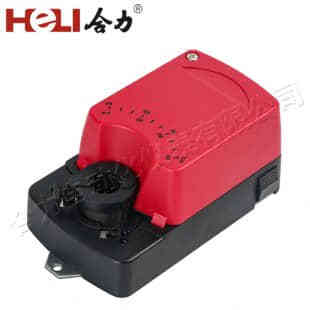
 Chat Oline