

The rapid advancement of automation technology has revolutionized industries across the globe, making processes more efficient, accurate, and adaptable. One of the key components driving this revolution is the Intelligent Integrated Electric Actuator (IIEA). These actuators combine the traditional functions of electric actuators with modern intelligent control systems, providing enhanced control, adaptability, and performance in various applications. This article explores the concept of intelligent integrated electric actuators, their features, and their significance in today’s industrial and commercial environments.

What is an Intelligent Integrated Electric Actuator?
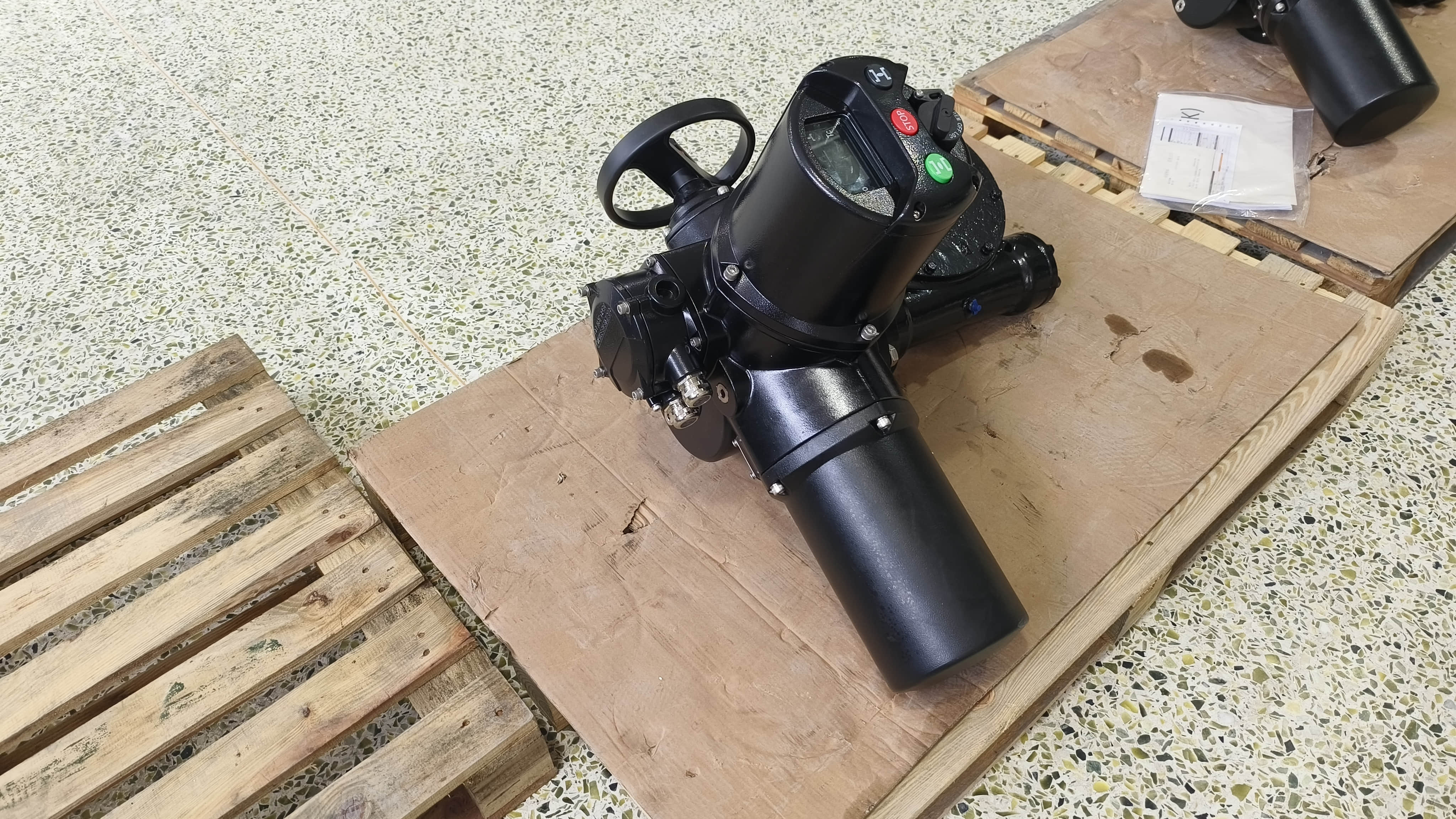
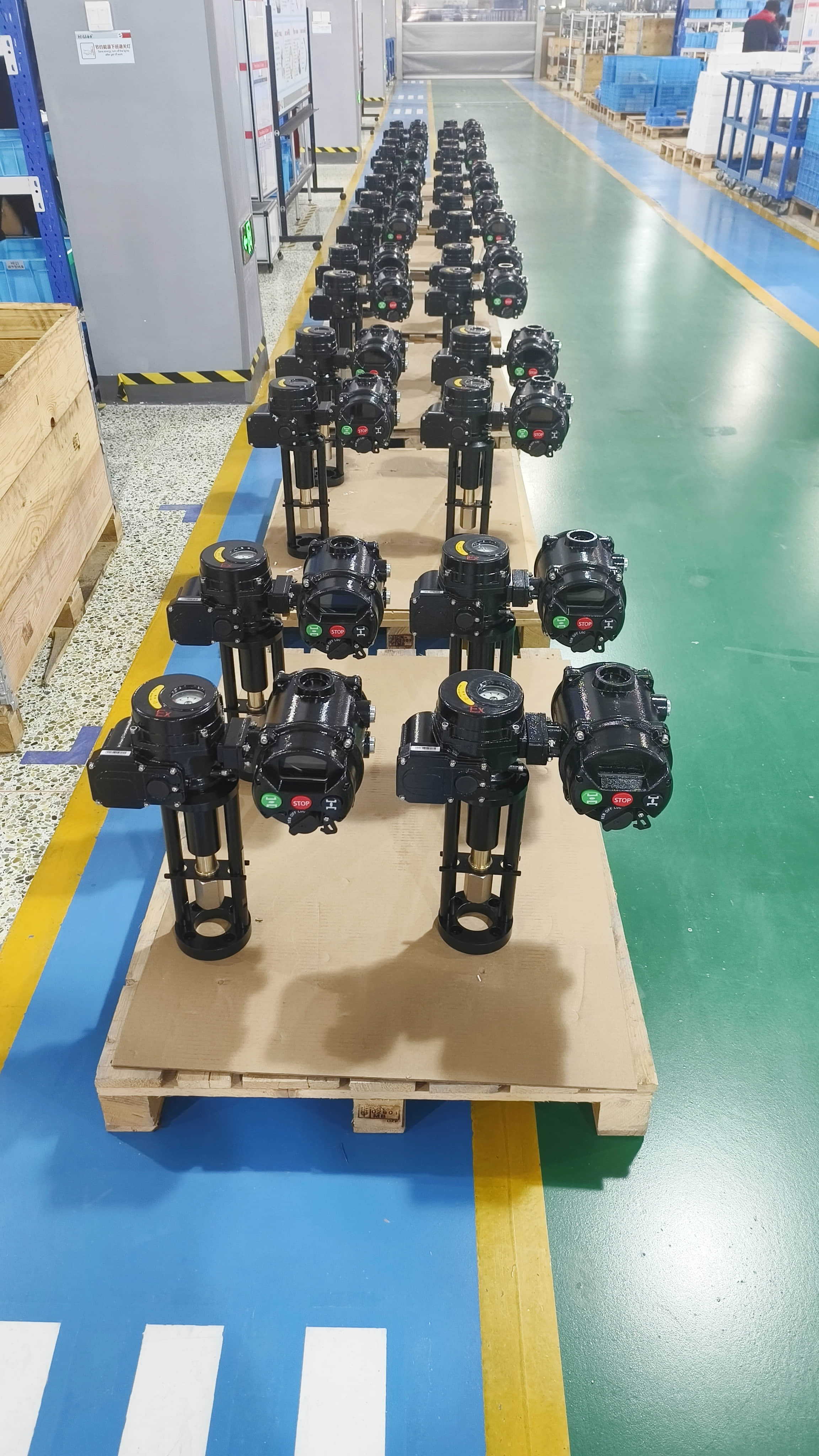
An Intelligent Integrated Electric Actuator is an advanced version of a traditional electric actuator. It combines mechanical, electrical, and intelligent technologies in a single unit. Typically, an electric actuator is a device that converts electrical energy into mechanical motion, enabling the control of valves, dampers, and other mechanical components in automated systems. An IIEA goes a step further by integrating sensors, controllers, and communication interfaces, allowing the actuator to autonomously adapt to varying conditions and perform more complex tasks.
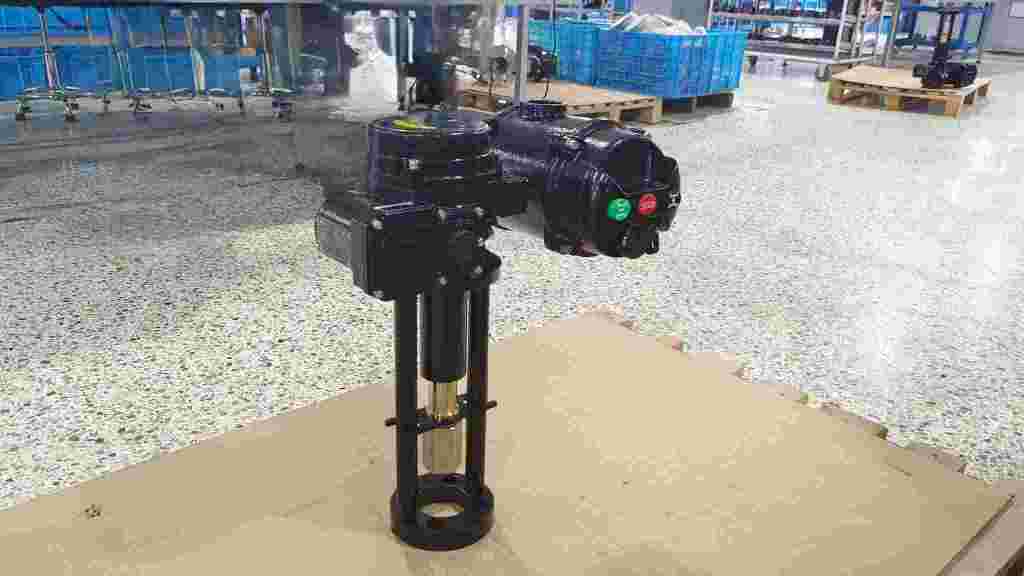
These actuators are capable of not only performing basic movement but also monitoring their environment and adjusting their operation in real-time based on the data they collect. This level of intelligence enables the actuator to optimize performance, detect faults, and provide predictive maintenance data.
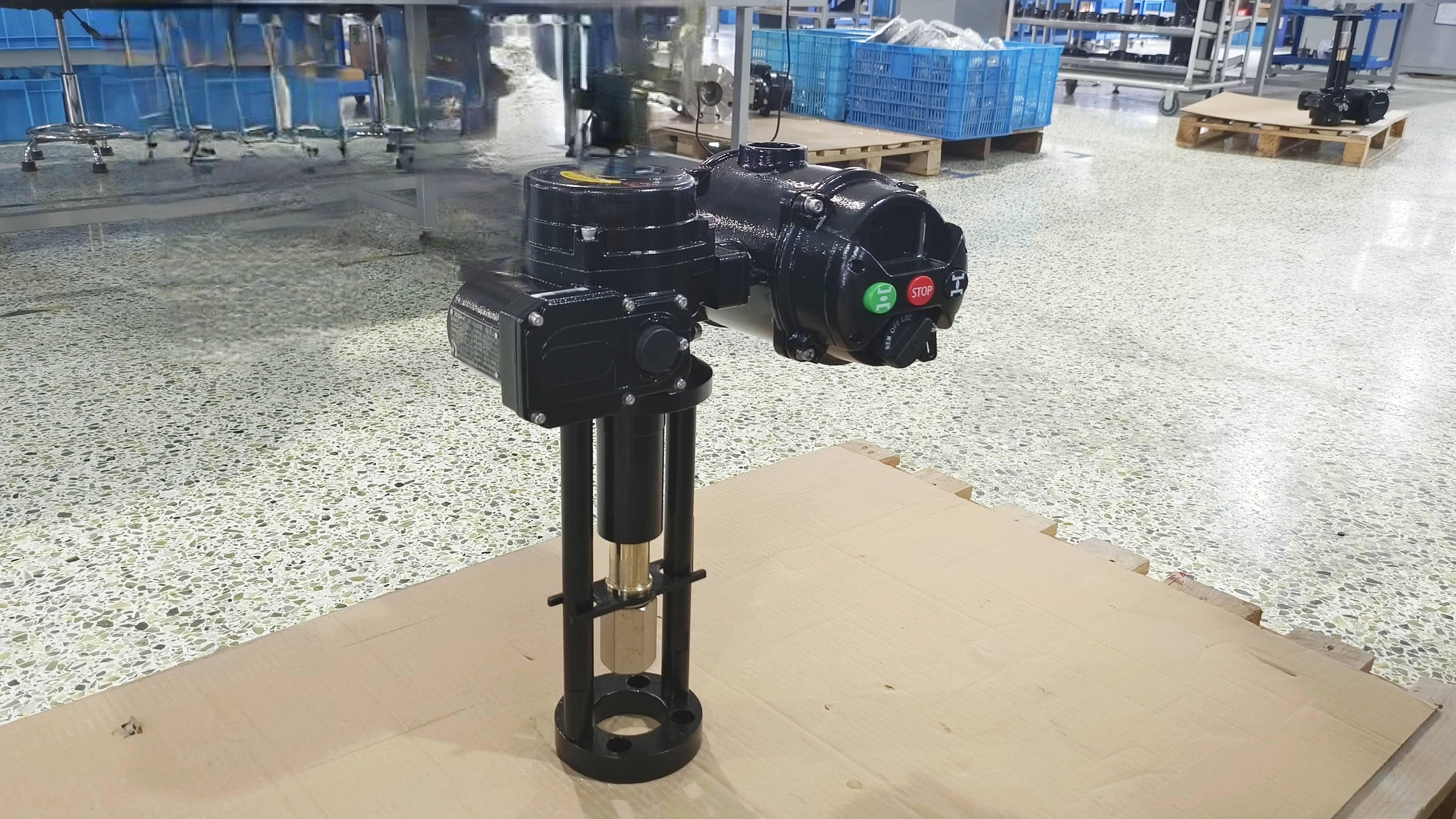
Key Features of Intelligent Integrated Electric Actuators
 Chat Oline