electric actuator: revolutionizing automation with precision and efficiency
Release time:2025-11-16 05:17:47
Electric actuators are vital components in the modern world of automation, bridging the gap between electrical signals and mechanical movement. These devices convert electrical energy into mechanical energy, allowing precise control of motion in a wide array of applications. From industrial machinery to home automation, electric actuators have become indispensable in enhancing operational efficiency, precision, and performance. This article explores the key aspects of electric actuators, including their types, applications, advantages, and challenges.
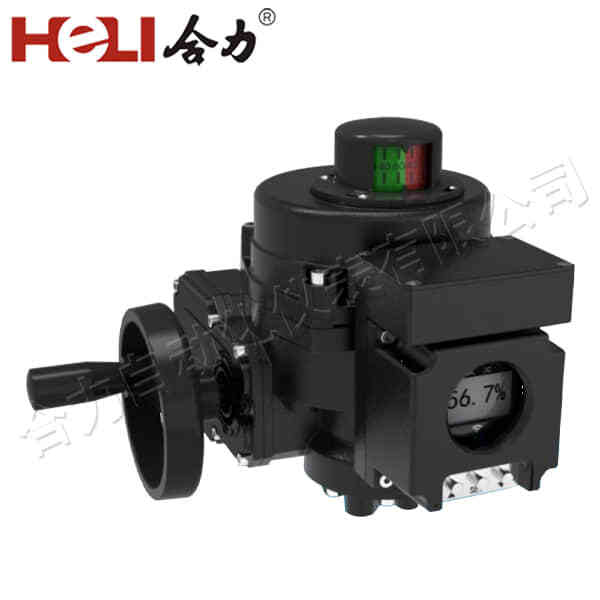
What is an Electric Actuator?
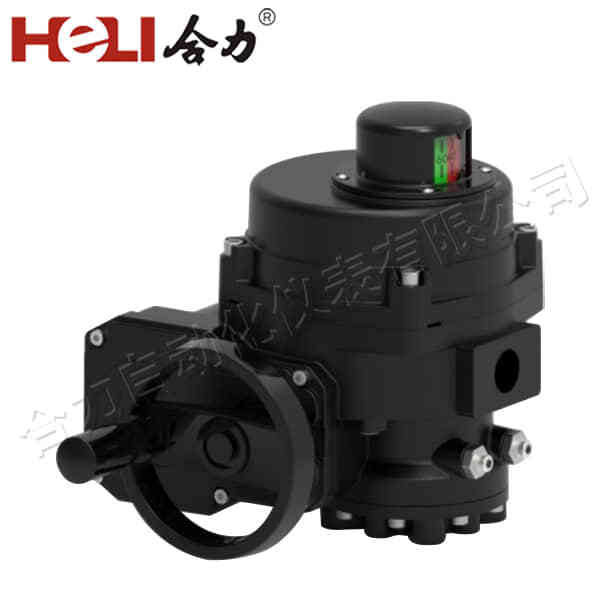
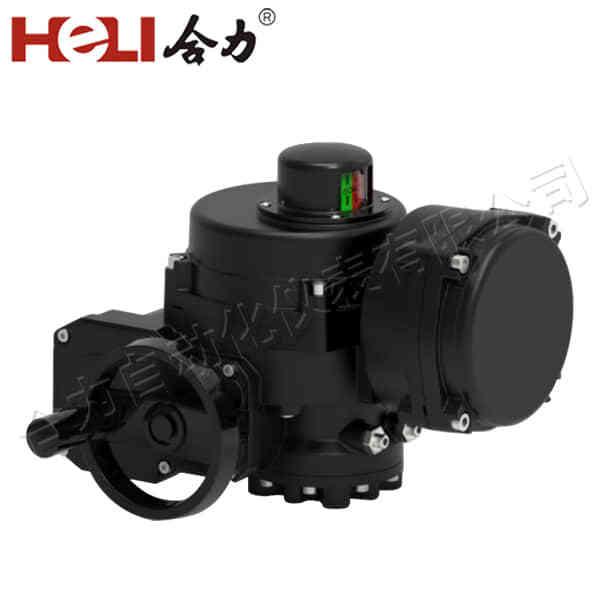
An electric actuator is a device that uses an electric motor to produce mechanical motion. It operates by converting electrical energy into mechanical energy, typically through the use of motors, gears, or other mechanisms that facilitate movement. Depending on the specific type of actuator, the movement can be either linear or rotary. In a linear actuator, the motor drives a screw or other mechanism to produce straight-line motion, while in a rotary actuator, the motor drives a shaft or gear to produce rotational motion.
Types of Electric Actuators


 Chat Oline