

The evolution of automation and control systems has been significantly impacted by the development of advanced technologies such as intelligent integrated actuators. These smart devices combine multiple functions into one compact unit, including actuation, sensing, control, and communication, making them highly efficient, flexible, and scalable. In this article, we explore the concept of intelligent integrated actuators, their components, applications, and advantages, shedding light on their transformative role in various industries.
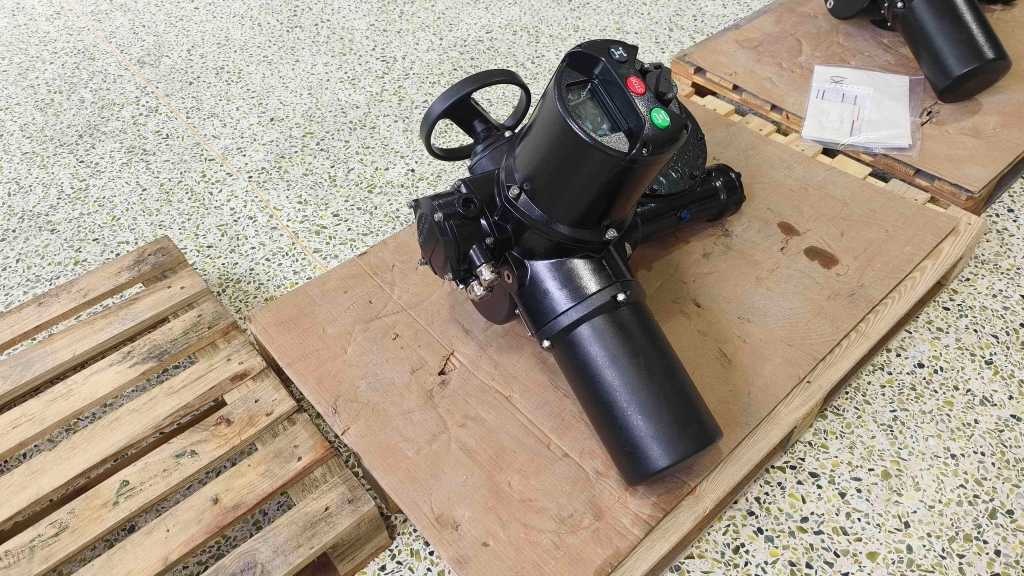
What is an Intelligent Integrated Actuator?
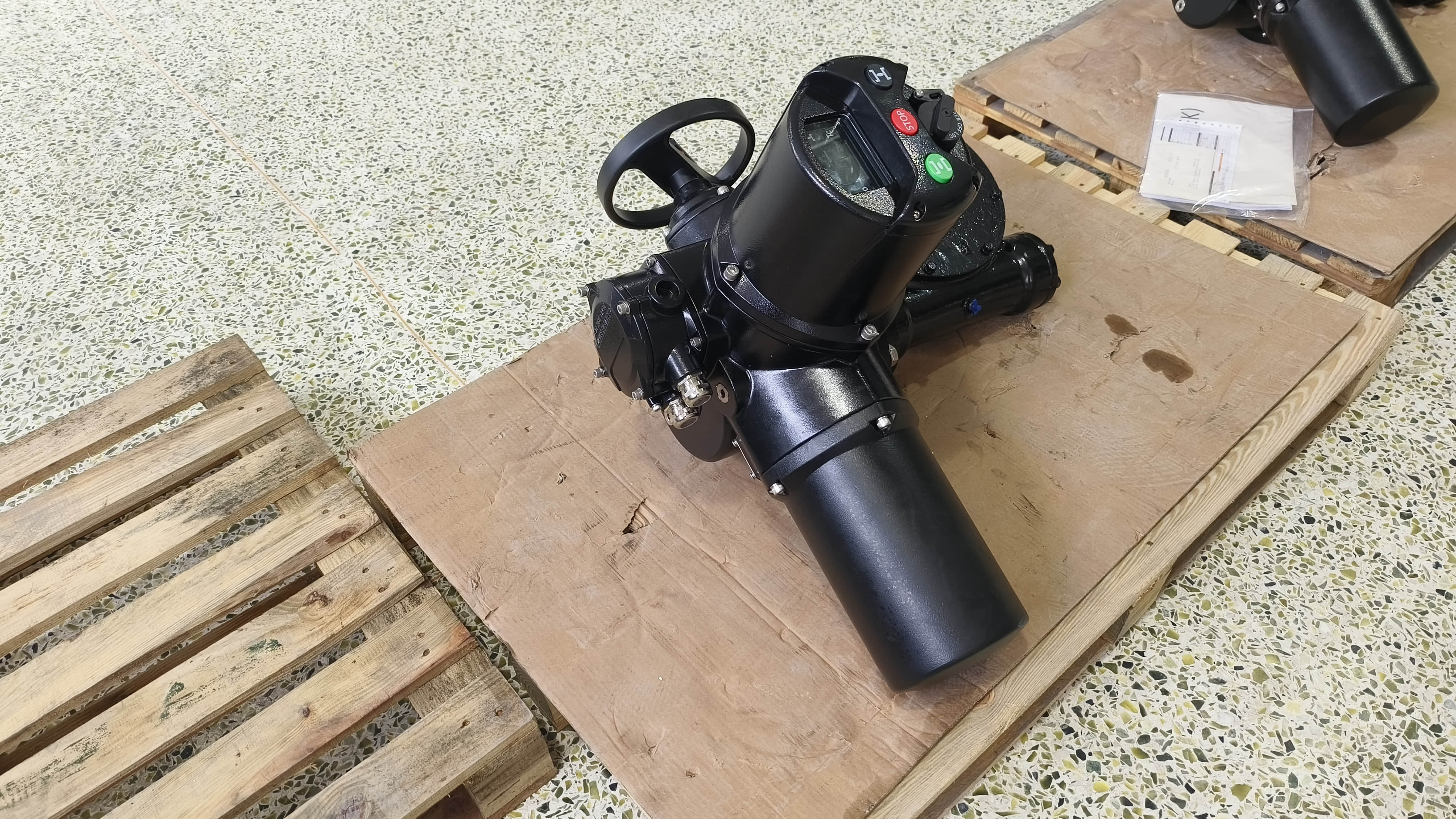
An intelligent integrated actuator is a multifunctional device that combines traditional actuators, sensors, and control algorithms into a single unit. Unlike conventional actuators, which are typically limited to a single function such as motion control, intelligent integrated actuators incorporate a range of capabilities, such as position sensing, force feedback, and adaptive control. This integration not only streamlines the design but also enhances the overall system’s performance by providing real-time data processing, decision-making, and system optimization.

These actuators often contain embedded controllers, which allow them to adjust their behavior based on environmental feedback, thereby improving the accuracy, reliability, and efficiency of the system. The actuation mechanism is typically driven by electrical, hydraulic, or pneumatic power, depending on the specific application and requirements.

Key Components of Intelligent Integrated Actuators


 Chat Oline