understanding pneumatic actuators: key components and applications
Release time:2025-11-10 00:53:07
Pneumatic actuators are essential devices in automation, providing mechanical movement by using compressed air as a source of power. They are commonly found in various industries such as manufacturing, robotics, automotive, and process control due to their simplicity, speed, and efficiency. This article delves into the core components, working principle, types, and applications of pneumatic actuators, highlighting their importance in modern automated systems.
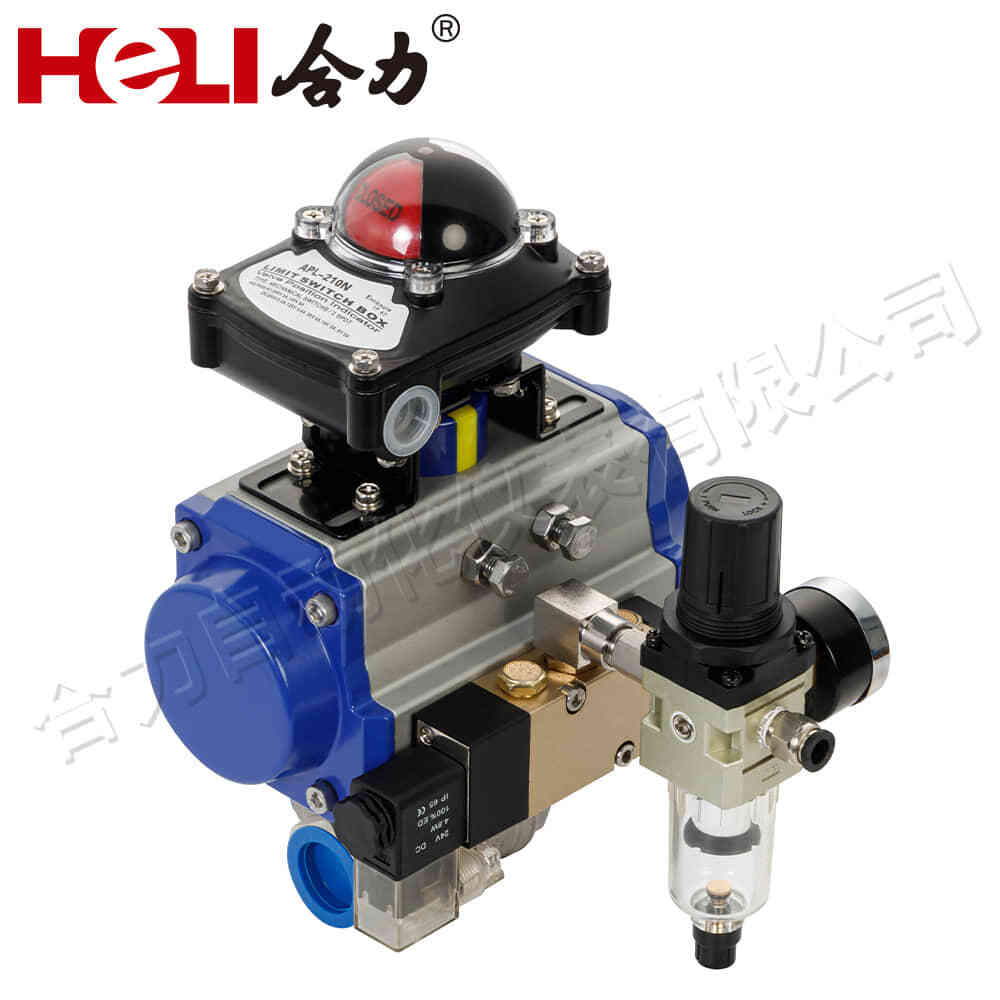
What is a Pneumatic Actuator?
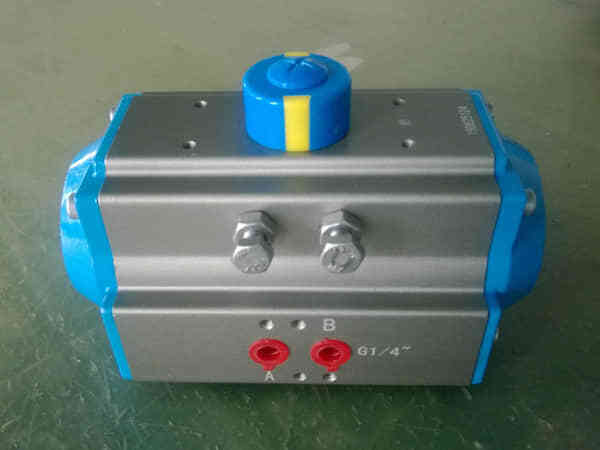
A pneumatic actuator is a mechanical device that converts compressed air into mechanical motion. This motion can be linear or rotary, depending on the type of actuator used. Pneumatic actuators are often chosen for applications that require quick and efficient movements, high force output, and simple control. They operate by using pressurized air to move an internal component, typically a piston or a diaphragm, to create movement in the connected mechanical system.
Key Components of a Pneumatic Actuator
The primary components of a pneumatic actuator include:



 Chat Oline