electric actuator: revolutionizing automation and control in modern systems
Release time:2025-10-24 15:49:42
Electric actuators have emerged as a pivotal component in various industries, offering a reliable and efficient method for converting electrical energy into mechanical motion. These devices are crucial for automating processes, controlling machinery, and enhancing precision across many sectors, including manufacturing, robotics, aerospace, and more. In this article, we will explore the working principle of electric actuators, their different types, applications, and the advantages they bring to modern systems.
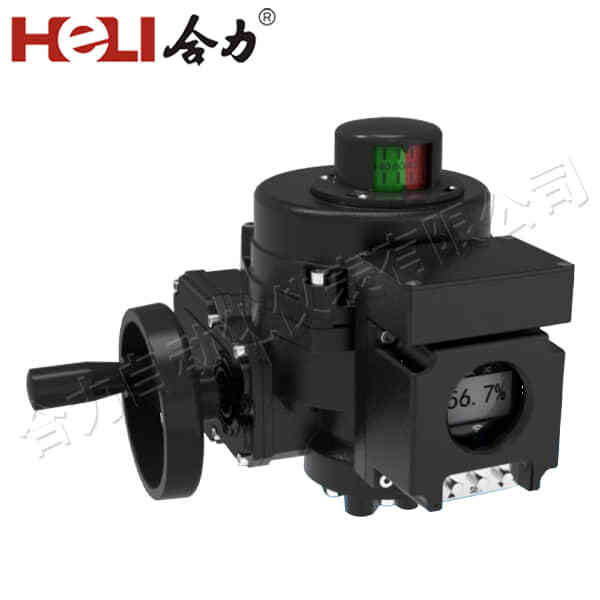
Understanding Electric Actuators
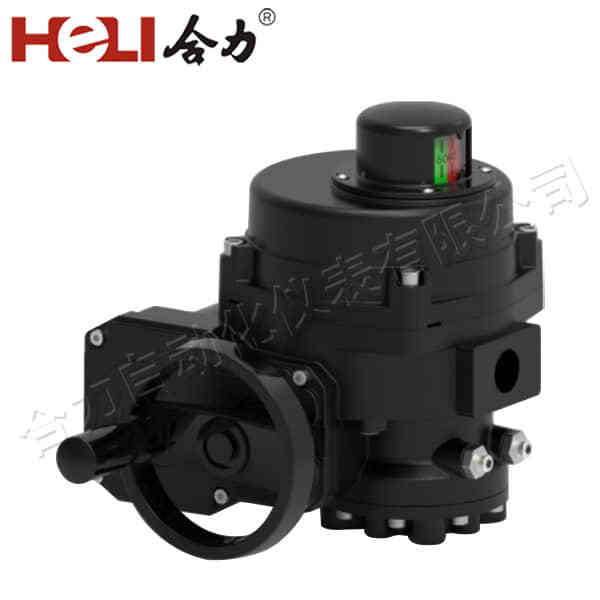
An electric actuator is a mechanical device that uses electrical energy to generate motion. Typically composed of an electric motor, a gear system, and a transmission mechanism, the actuator converts rotational or linear motion to perform specific tasks. The electric motor provides the necessary energy to initiate motion, which is then modified by the gear system to suit the needs of the application. Depending on the design, electric actuators can produce either linear motion (push/pull) or rotational motion (turning).



 Chat Oline