

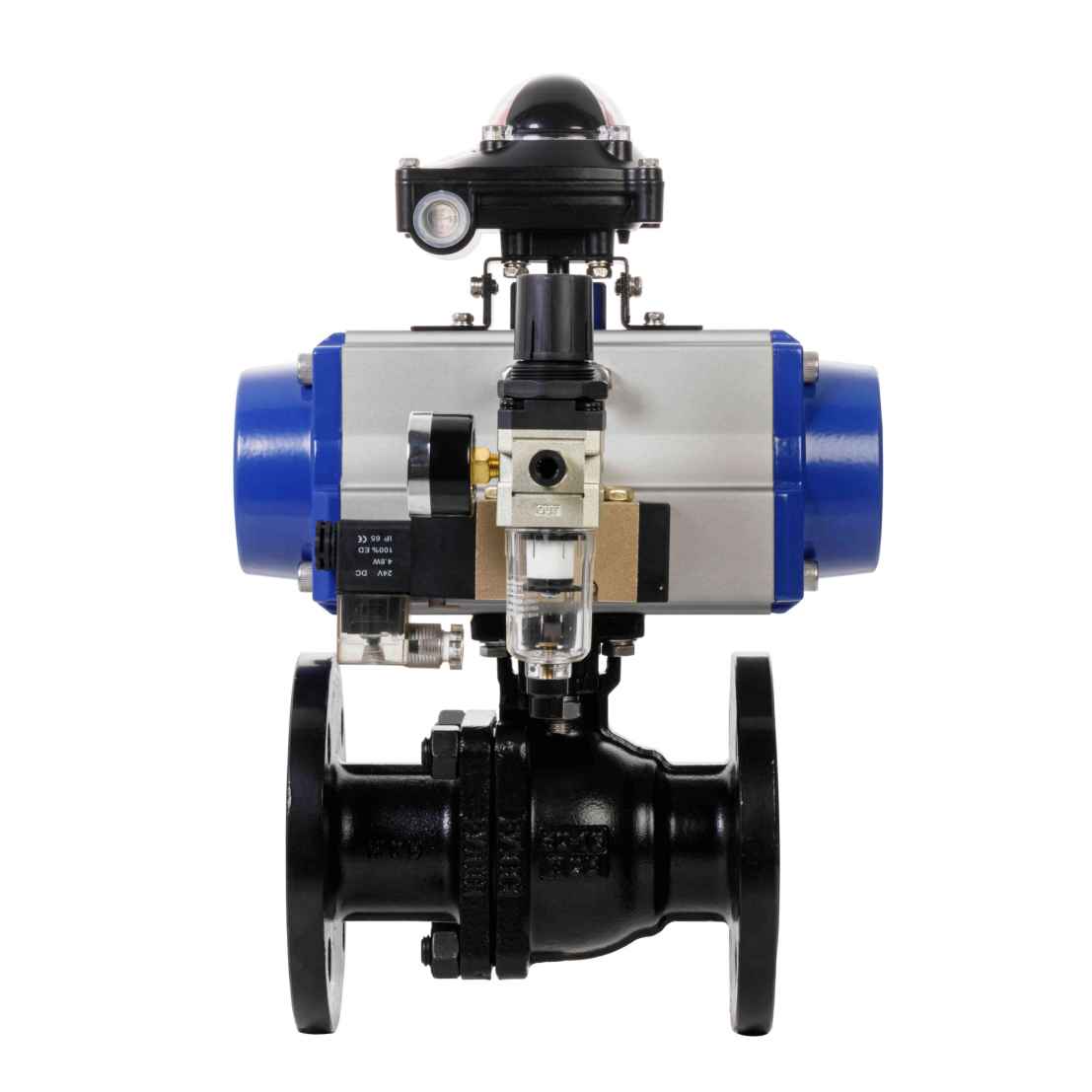
A Pneumatic Ball Valve is a type of valve that uses compressed air to actuate its operation. It is widely used in industrial systems for controlling the flow of fluids. Its main components consist of a ball with a hole through it, an actuator, and the body of the valve itself. By rotating the ball inside the valve body, the pneumatic ball valve can either open or close the fluid passage, making it a vital part of modern automation systems. In this article, we will explore the design, working principles, advantages, and applications of pneumatic ball valves.
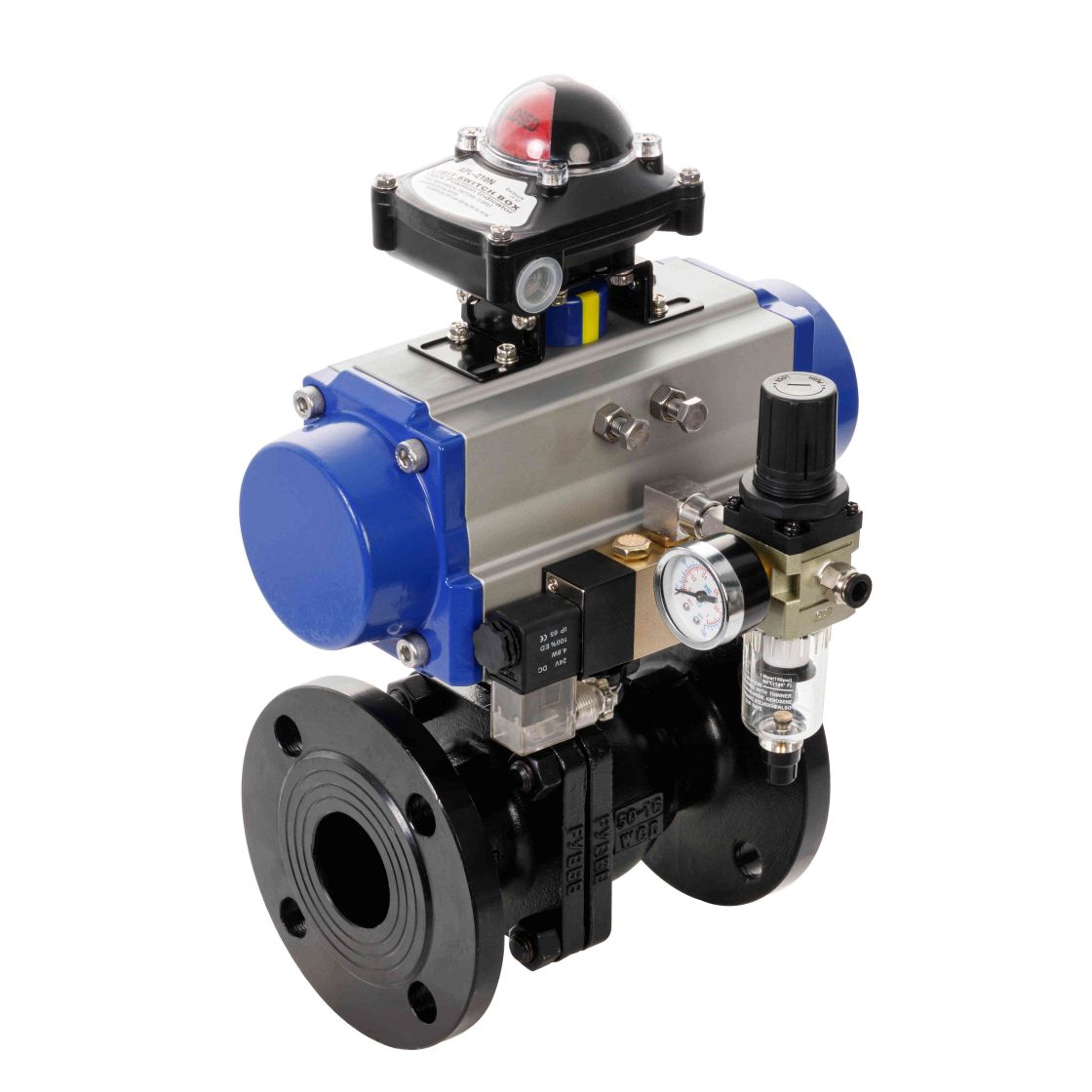
Design and Components

 Chat Oline